
Urban Sustainability in Practice (with University of Waterloo's Faculty of Environment)
SDE 4 The Forum, NUS CDE, 29 April 2025
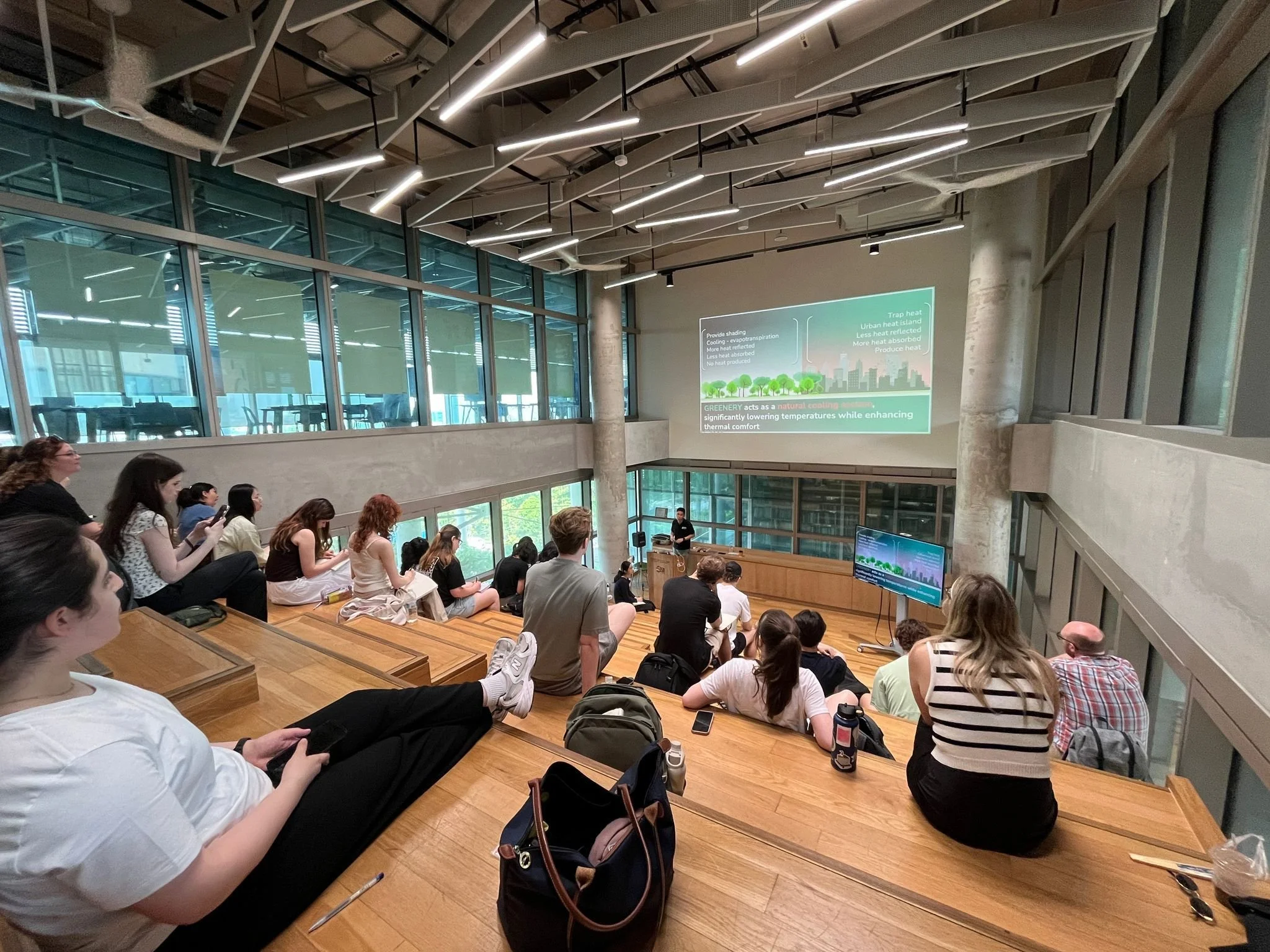
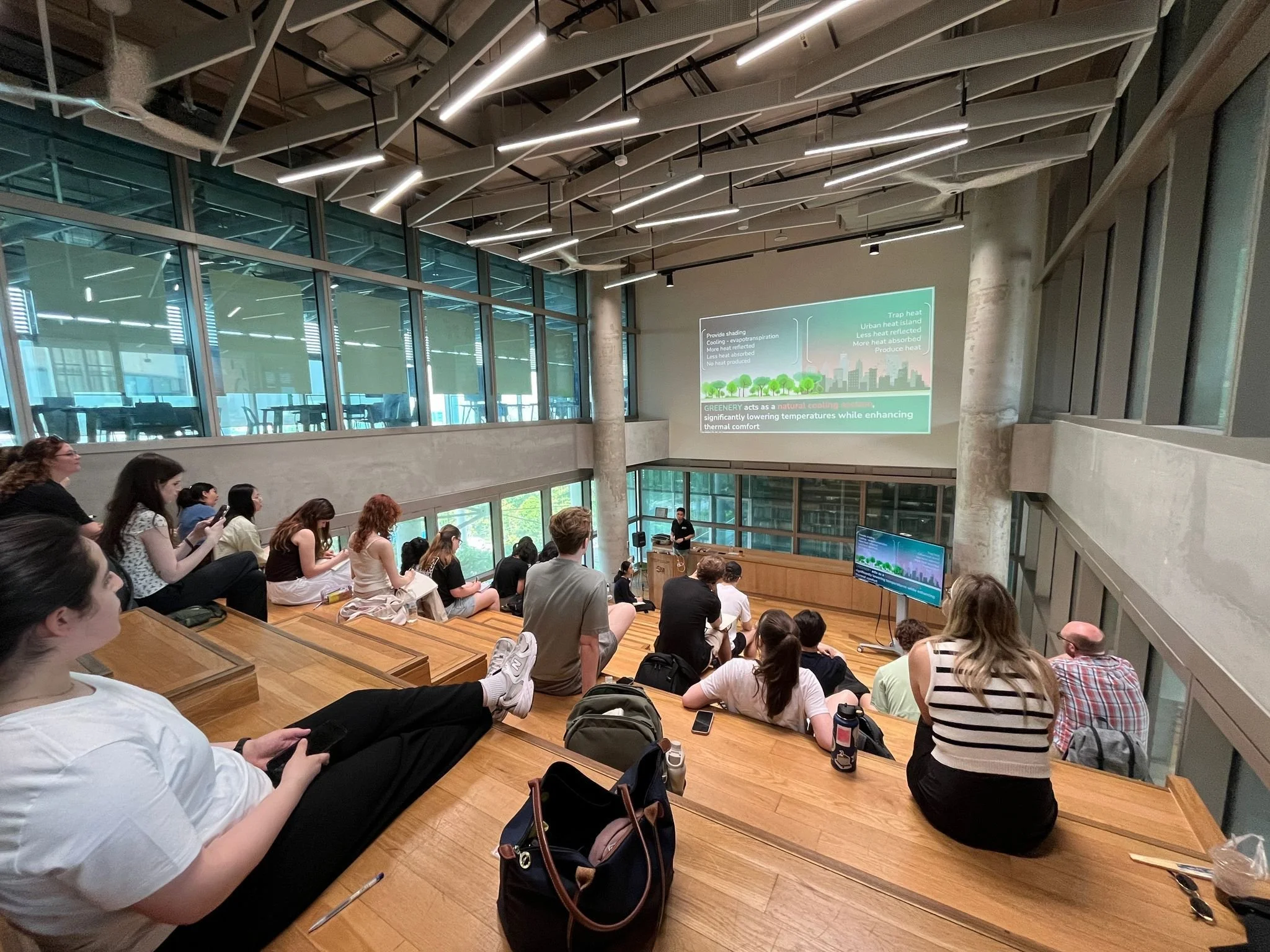
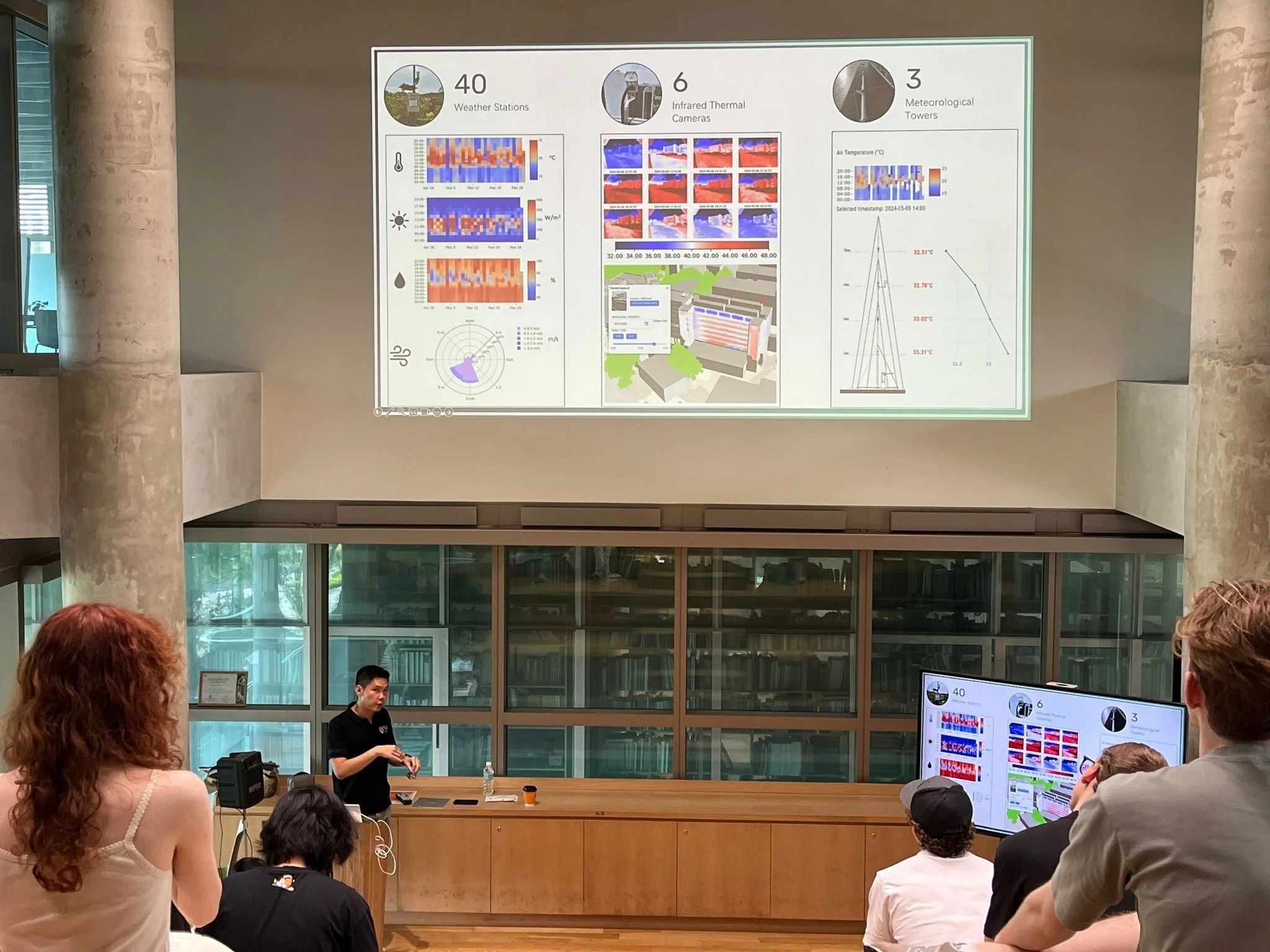
The CoolNUS-BEAM team welcomed Dr. Peter Crank and students from the University of Waterloo's Faculty of Environment for an engaging knowledge exchange session at SDE 4, NUS College of Design and Engineering. Organized as part of a field course on urban sustainability, the session brought together researchers from both the CoolNUS-BEAM initiative and the NUS Urban Analytics Lab (UAL) to present current work spanning microclimate monitoring, urban heat mitigation, digital twins, and data-driven planning. Dr Marcel Ignatius opened with an overview of how campus-based microclimate research informs broader urban sustainability strategies, followed by presentations from Joie Lim on digital twin interfaces for microclimate data exploration, Xu Ruohan on data-driven air temperature simulation and prediction, and Liang Xiucheng on street view imagery for architectural captioning and data enrichment — part of the ongoing work by Filip Biljecki's UAL team.
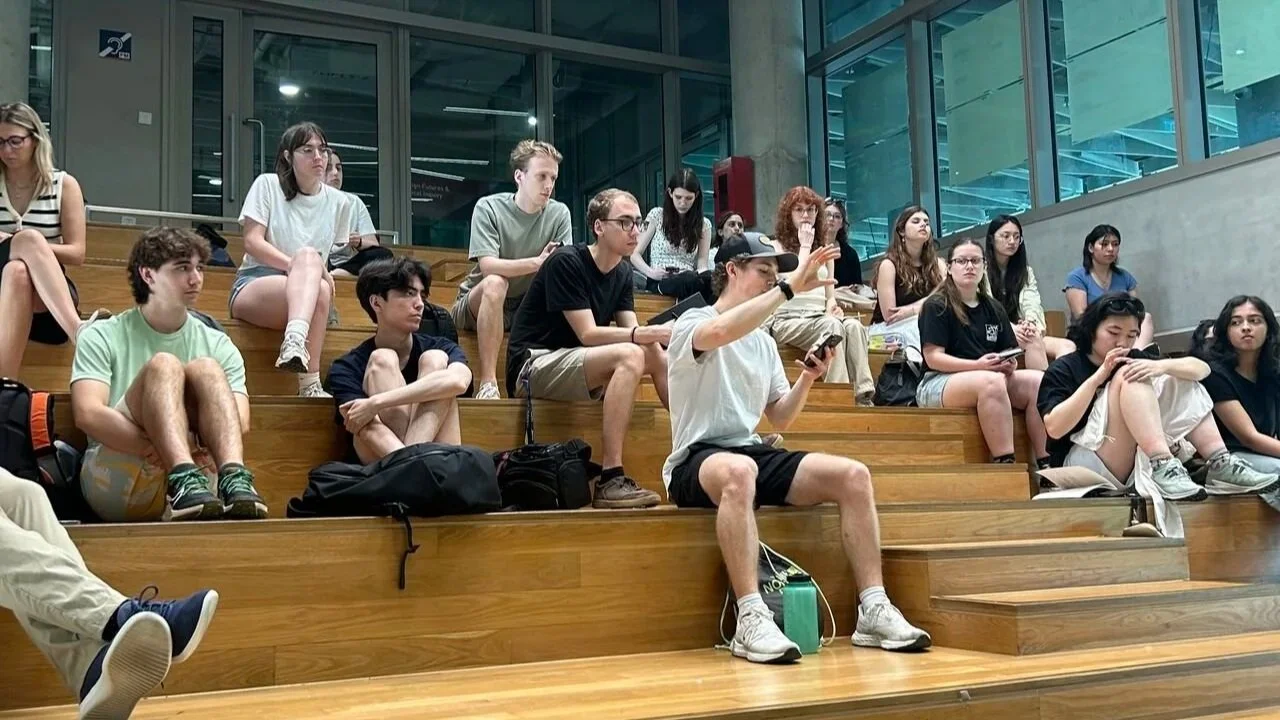
The session concluded with a lively Q&A and a short campus tour, offering Waterloo students a first-hand experience of tropical urban conditions and NUS's built environment research ecosystem. The exchange underscored the value of international academic partnerships in tackling shared urban sustainability challenges, particularly in dense, heat-stressed tropical cities. The CoolNUS-BEAM team looks forward to continued dialogue and potential collaboration with the University of Waterloo Faculty of Environment.
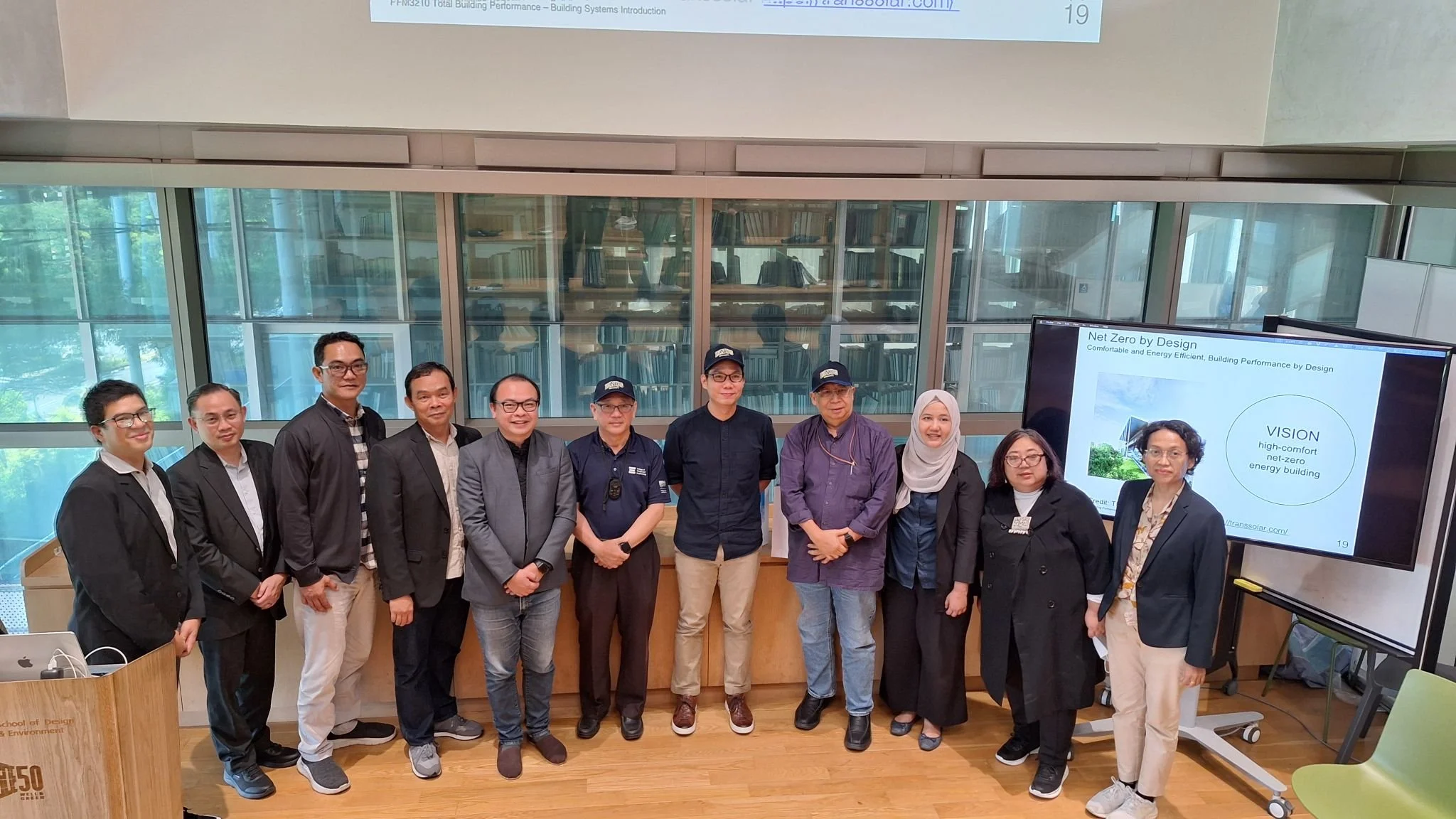
Green Campus Joint Workshop Series (NUS X BINUS)
NUS SDE (July 2024) + BINUS (October 2024)
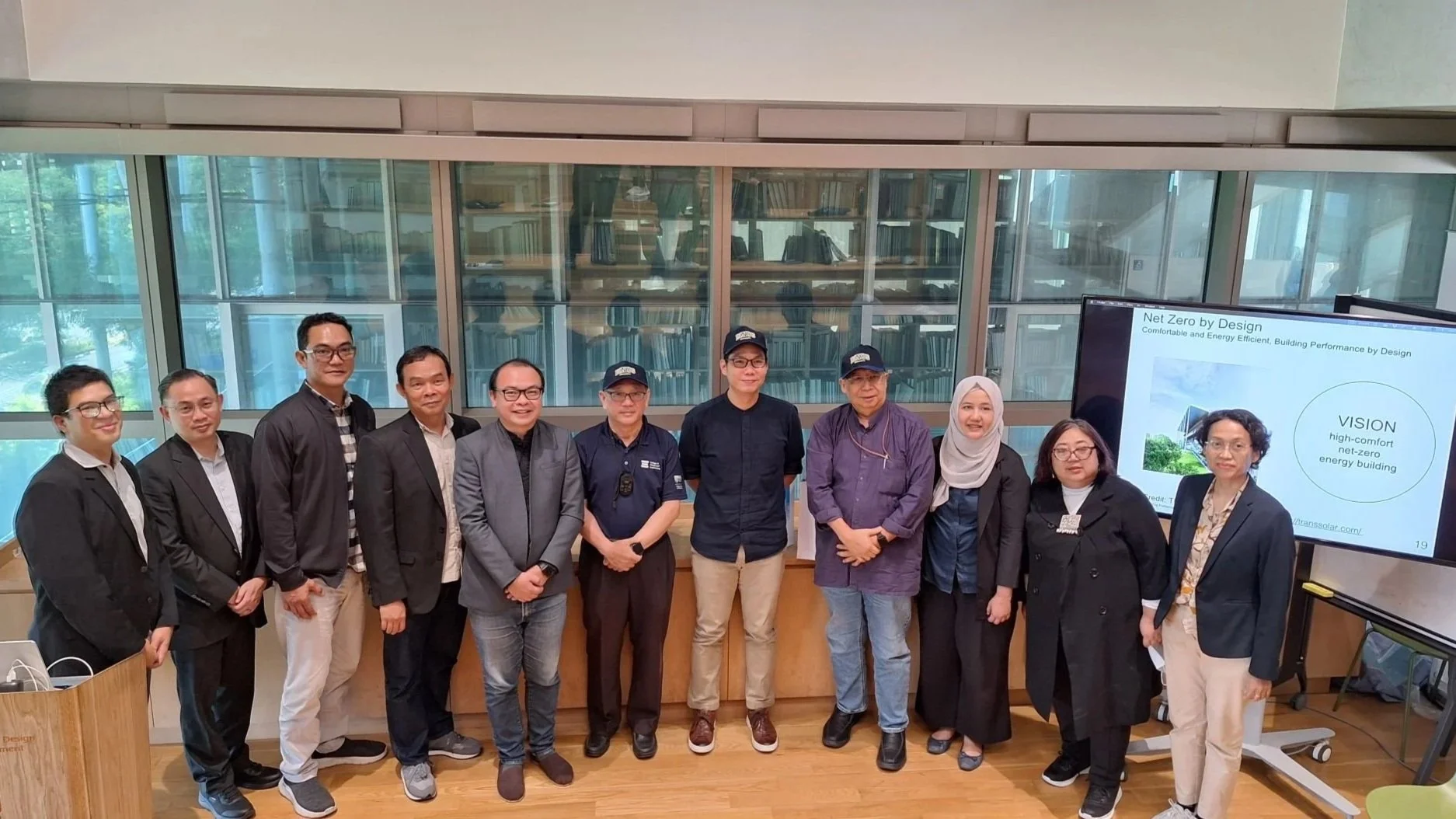
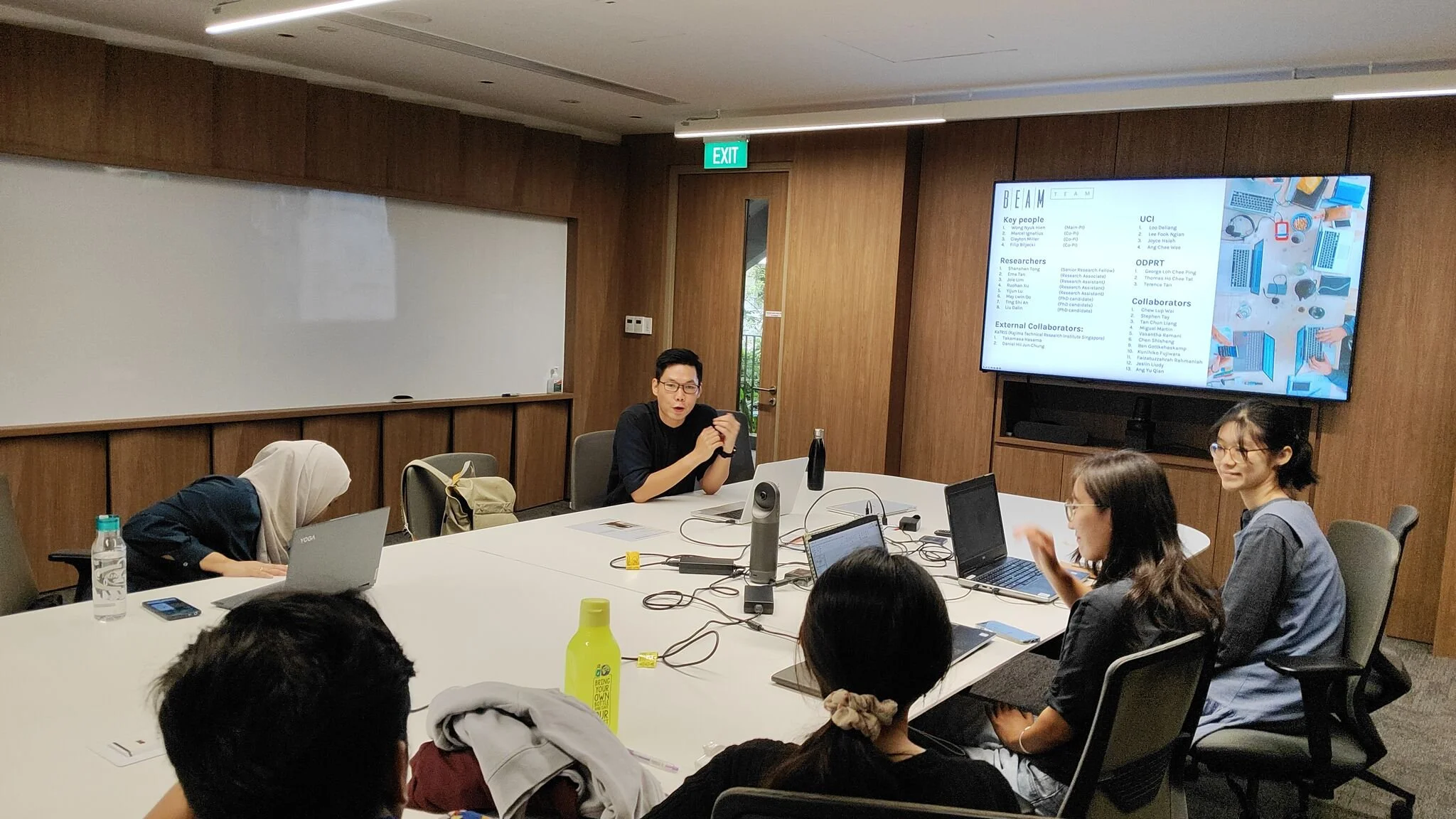
Event 1: NUS–BINUS Green Campus Joint Workshop @ NUS SDE
The CoolNUS-BEAM project team hosted the Bina Nusantara University (BINUS)–NUS Green Campus Joint Workshop at the NUS School of Design and Environment (SDE). Over three days, the workshop showcased NUS's ongoing efforts in sustainable campus development and built environment greening. Through hybrid sessions with BINUS students and delegates, the team presented how the CoolNUS-BEAM initiative — led by Prof. Nyuk Hien Wong — bridges education, research, innovation, and campus operations to make NUS a living laboratory for sustainability. The workshop also included research discussions using a BINUS campus as a case study, focusing on heat stress management and urban heat island mitigation strategies.
Event 2: Green Campus Initiative Workshop @ Bina Nusantara University, Jakarta
Building on the momentum of the NUS-hosted workshop, Dr Marcel Ignatius travelled to Bina Nusantara University (BINUS) as both speaker and NUS representative for the Green Campus Initiative Workshop, organised in collaboration with Universitas Atma Jaya Yogyakarta (UAJY). The workshop brought together experts to exchange insights on urban greenery, digital twins for heat island assessment, and photovoltaic impacts on the environment. Dr Ignatius presented the CoolNUS-BEAM microclimate assessment framework, using Binus Syahdan campus as a case study, and explored potential research collaboration and publication opportunities with Indonesian counterparts. The event was organised by Associate Professor Religiana Hendarti, PhD (BINUS), with participation from Prof. F. Binarti and Dr. Rony Gunawan representing UAJY.
Clean & Green Singapore Day 2024 & Inaugural Iceberg Series
NUS UTown, 3 November 2024
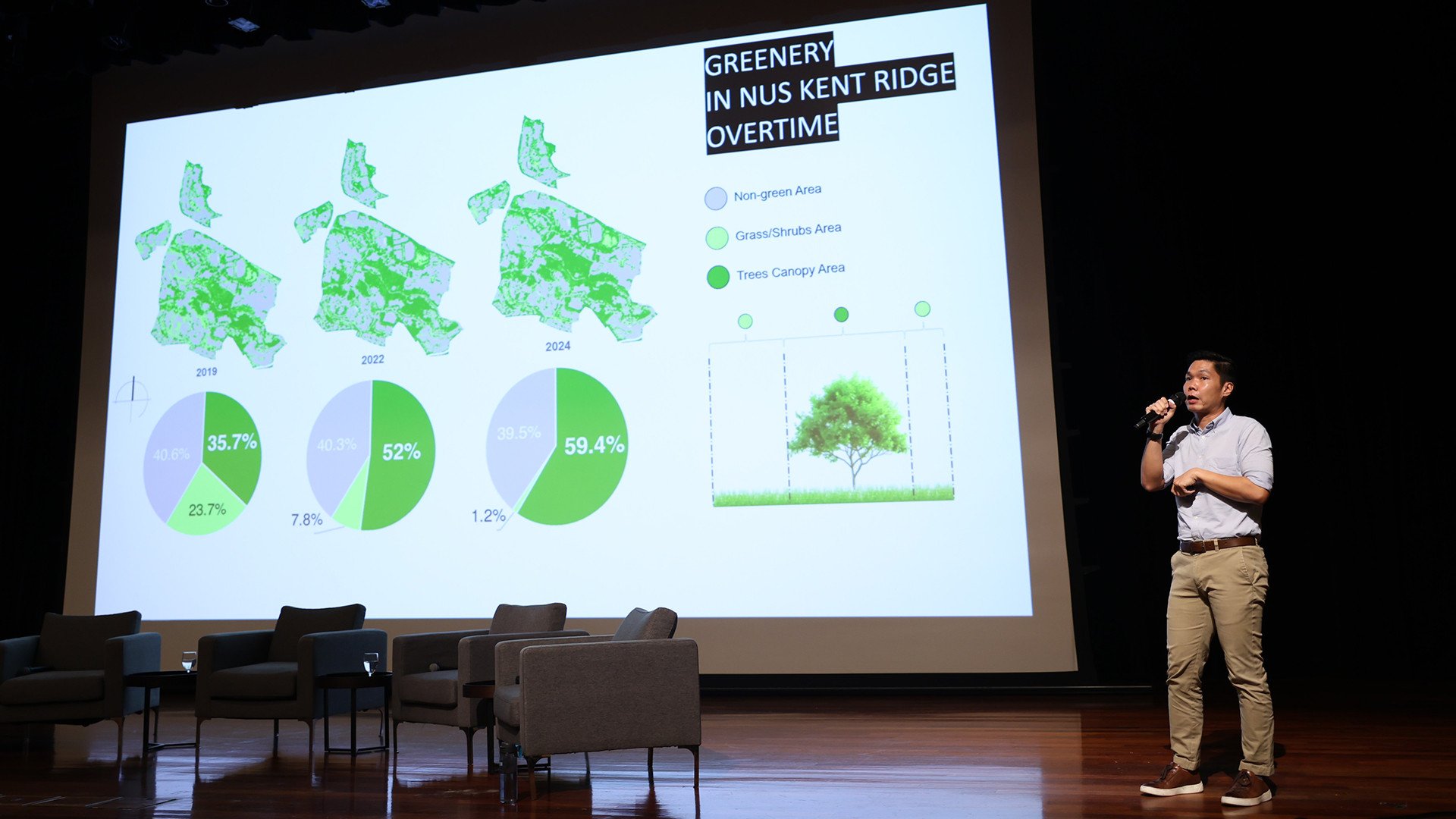
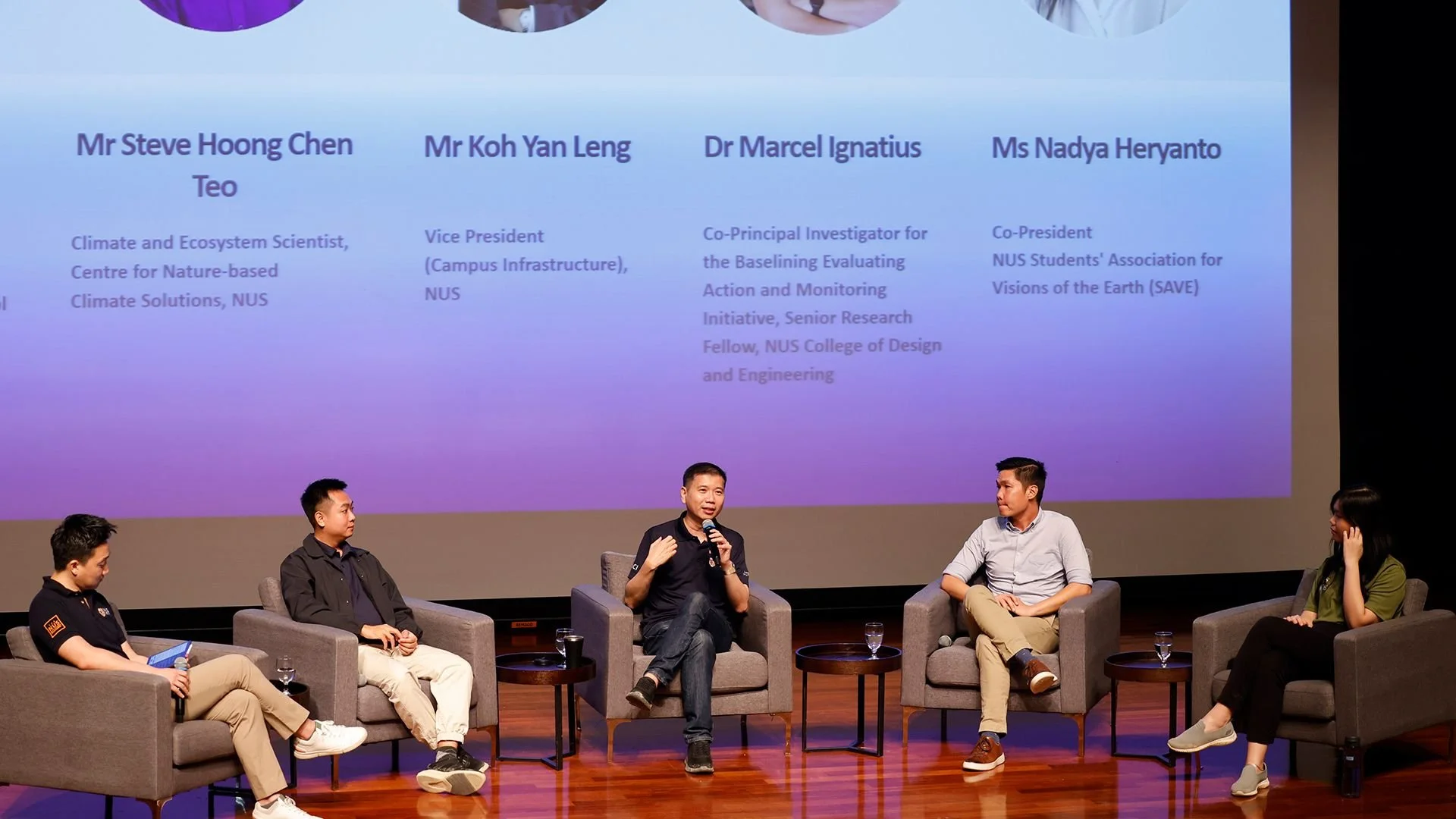
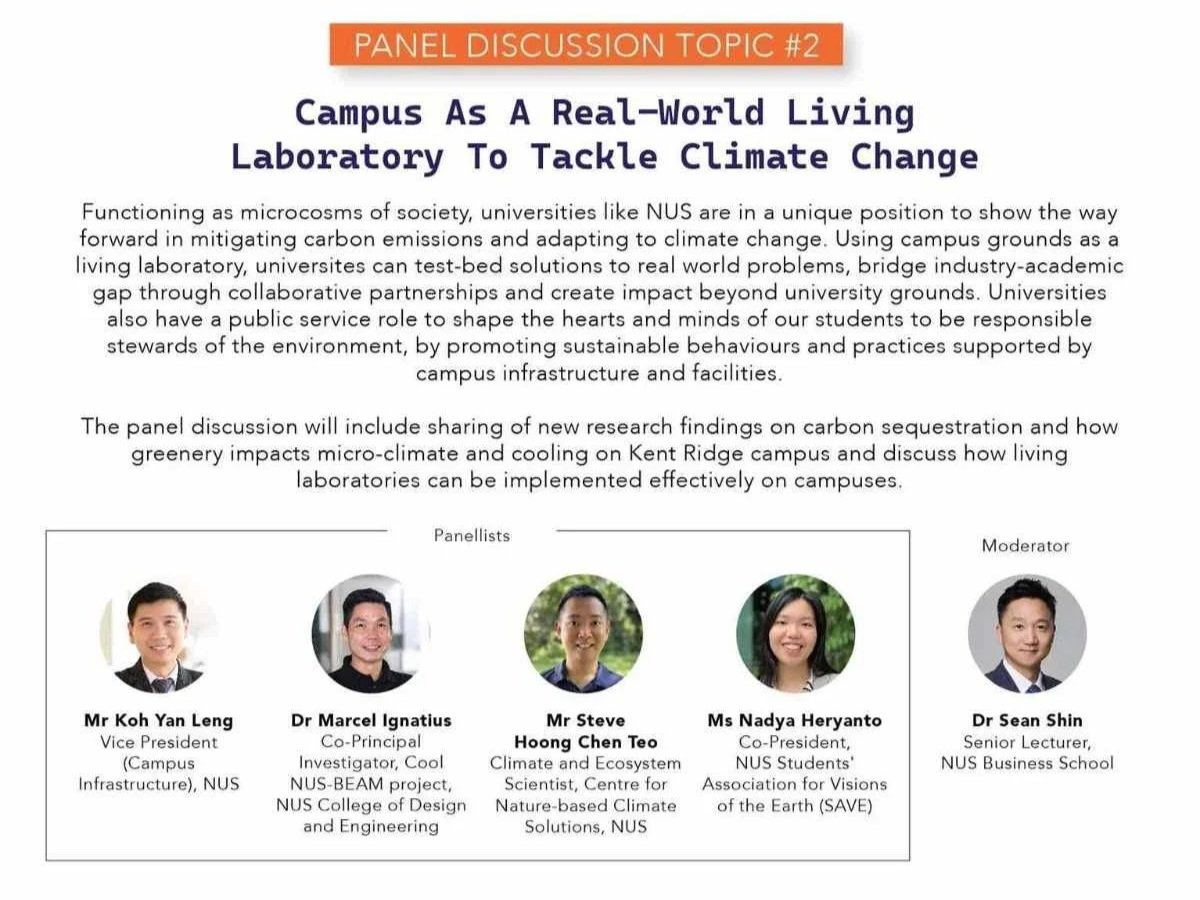
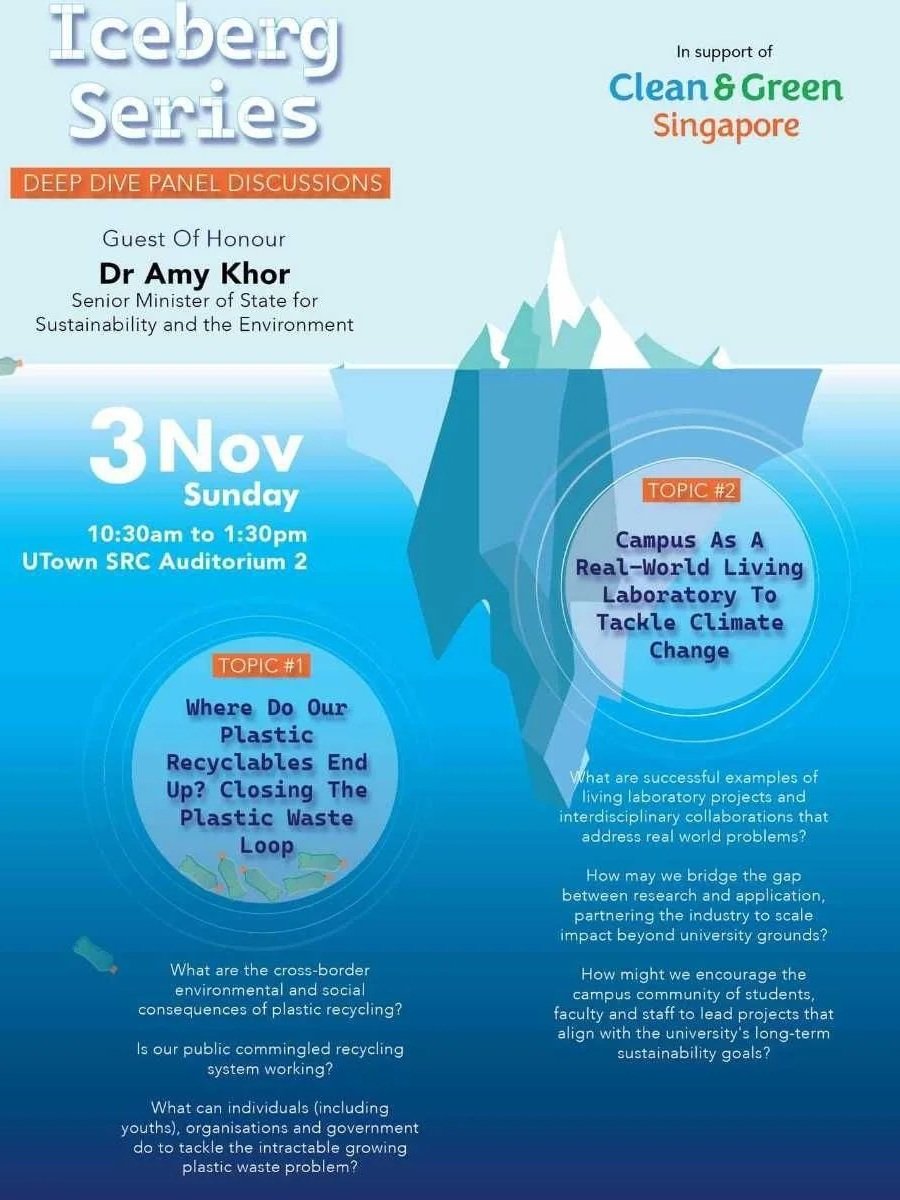
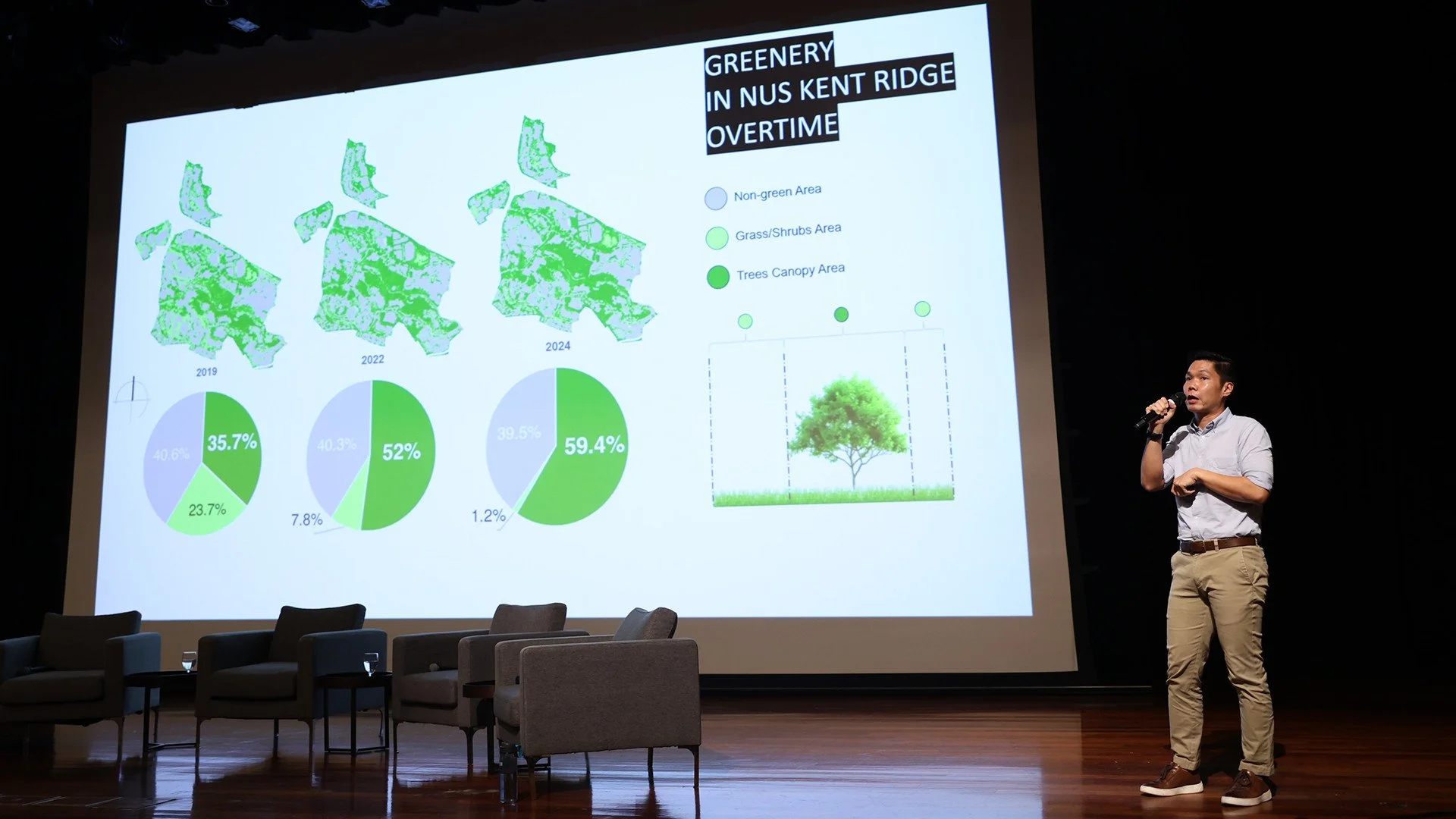
Dr Marcel Ignatius participated as a panelist in the inaugural Iceberg Series, organised by NUS University Campus Infrastructure (UCI) in conjunction with Clean & Green Singapore Day 2024. Held at NUS University Town, the event brought together researchers, policymakers, and students to engage in substantive conversations on environmental sustainability. Dr Ignatius joined the panel discussion titled "Campus as a Real-World Living Laboratory to Tackle Climate Change", alongside NUS Vice-President of Campus Infrastructure Mr Koh Yan Leng, Climate and Ecosystem Scientist Mr Steve Teo from the NUS Centre for Nature-based Climate Solutions, and student representative Nadya Heryanto from NUS SAVE. The session was moderated by Dr Sean Shin from NUS Business School.
As co-principal investigator of the CoolNUS-BEAM initiative, Dr Ignatius presented evidence-based findings on the impact of campus greening efforts, highlighting a significant increase in tree canopy coverage on the Kent Ridge campus — from 36% in 2019 to 60% in 2024. This growth, achieved through sustained and strategically planned tree-planting efforts, demonstrates how university campuses can serve as living laboratories for climate action. The findings underscore the role of shade and evapotranspiration in mitigating urban heat, contributing to NUS' broader commitment under its Campus Sustainability Roadmap 2030 to build a Campus in a Tropical Rainforest.

ASim 2024 Conference, Osaka
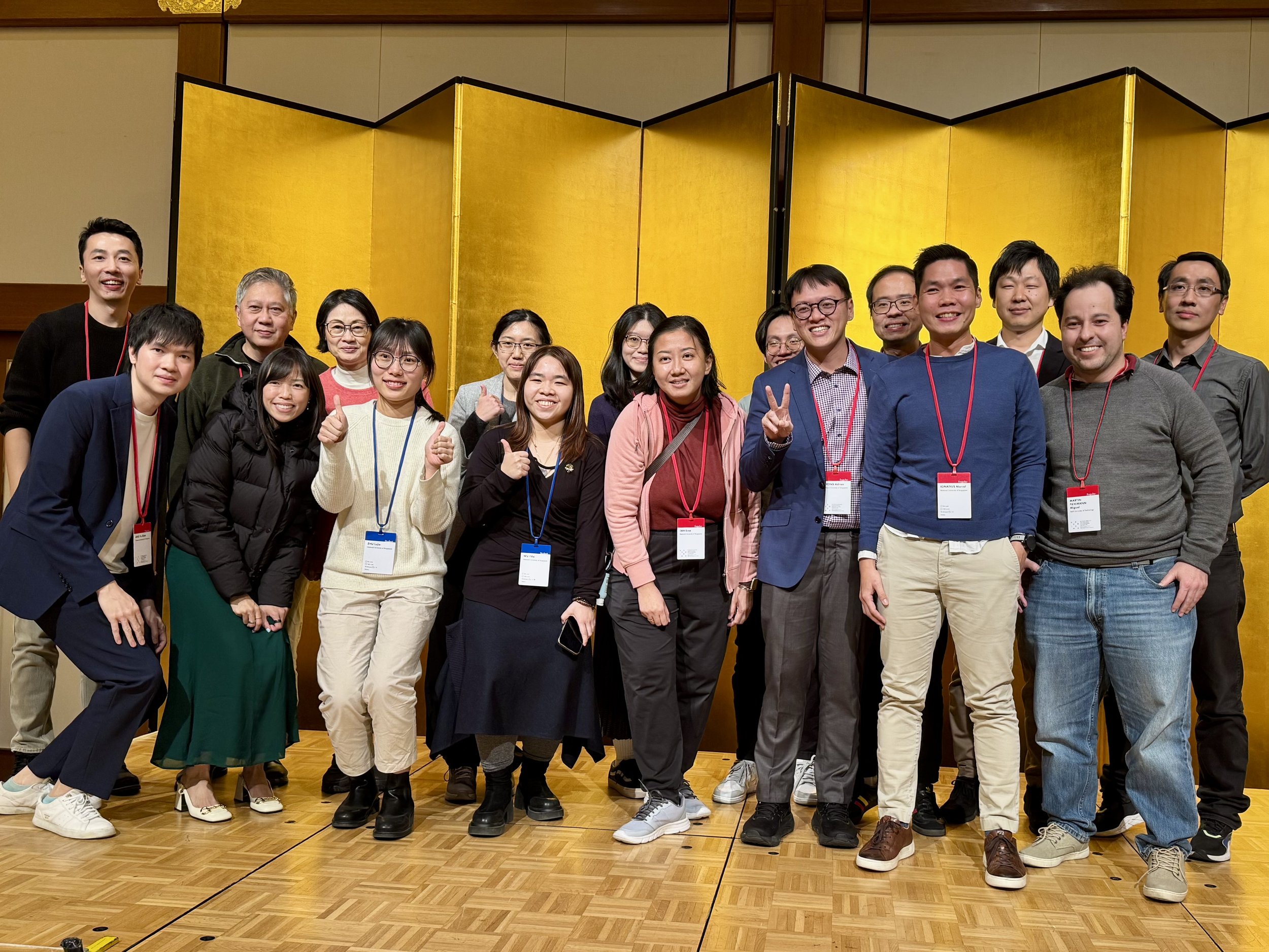
The 5th Asia Conference of the International Building Performance Simulation Association (IBPSA), also known as ASim 2024, took place in Osaka from December 8–10, 2024. Organized by the Japanese Branch of IBPSA, this conference fosters an inclusive and supportive environment, particularly for students and researchers from the Asian region who may not yet have had significant international exposure.
We had the privilege of presenting three conference papers, all closely aligned with the BEAM project. These papers were the result of fruitful collaborations with talented external researchers. Below are the papers we presented:
Interactive Urban Heat Island Assessment: Dynamic Data Fusion in Digital Twins (Joie Lim, Marcel Ignatius, B. Gottkehaskamp, and Nyuk Hien Wong)
A Grey Box Machine Learning Model for Predicting Building Energy Consumption and Urban Heat Islands (Miguel Martin, Marcel Ignatius, Mario Berges, Joie Lim, Yijun Lu, Ruohan Xu, Jantien Stoter, Clara Garcia Sanchez, and Nyuk Hien Wong)
Utilizing Solar-reflective Film on Window Glazing to Reduce Cooling Loads in Tropical Buildings (Shuyan Zhang, Shanshan Tong, Erna Tan, Marcel Ignatius, and Nyuk Hien Wong)




Singapore International Water Week (SIWW) 2024
Last week, our team had the privilege of participating in the Singapore International Water Week (SIWW), where we presented our BEAM project to the public. With rising urban temperatures and decreasing thermal comfort due to climate change and increased campus activities, we addressed this critical issue through our Baselining-Evaluating-Action-Monitoring (BEAM) framework.
A heartfelt thanks to the NUS Environmental Research Institute (NERI) for inviting us to this event! We were delighted to receive numerous inquiries and expressions of interest for collaboration from industry professionals throughout the 3-day event. We eagerly anticipate future opportunities and partnerships!


